Smart and High-Security Locks in Minneapolis
Keypad, smart and high-security locks and stronger deadbolts, matched to the door you already have.
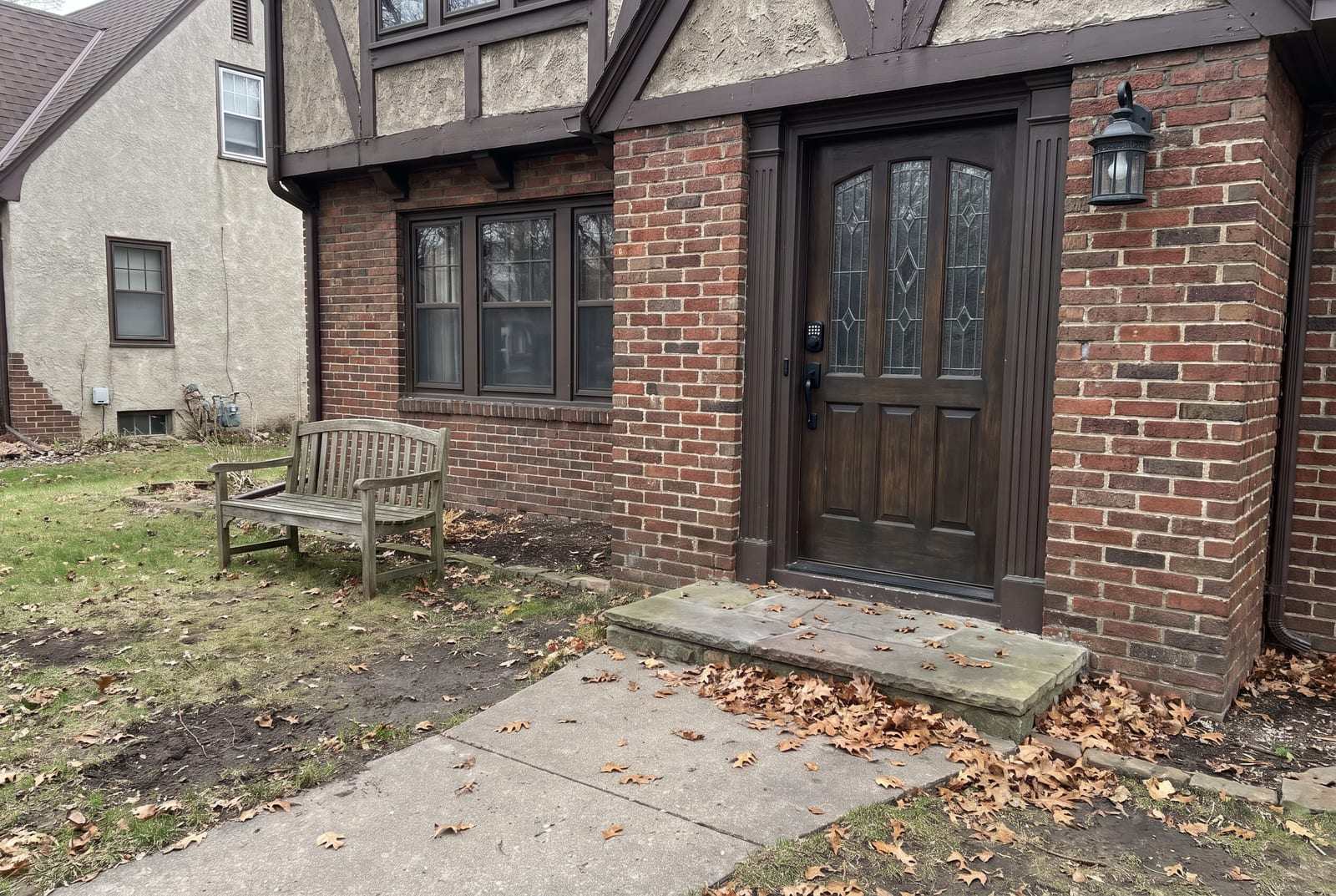
Most keypad and smart locks are deadbolts with electronics added. Fitting one is lock replacement where a deadbolt is already in the door, and deadbolt installation where there is none. A high-security cylinder or a heavier deadbolt is the same trade with different parts.
The door decides more than the box does. Its thickness, the holes already in it, the backset and the way the bolt meets the strike settle what fits and what has to change. Like every visit, a fitting starts with a look at the door, as set out under Our Approach.
Lock Types for an Entry Door
| Lock type | How you open it | Things to consider |
|---|---|---|
| Keypad deadbolt | A code on the keypad, or a key in the backup cylinder | Batteries inside; on a push-button pad, worn buttons can give away the code’s digits. |
| Smart lock | A phone app, a code, a fob or a key, depending on the model | Needs Bluetooth or Wi-Fi and app updates; keeps a log of who came and went, and allows temporary codes. |
| High-security cylinder | A key on a restricted keyway | Resists picking, bumping and drilling; copies come only through an authorized source. |
| Deadbolt upgrade | A key outside, a thumb turn inside | A full 1-inch throw and a reinforced strike do more against a kick than any electronics. |
Standard Door Preparation
Most residential deadbolts, keypads and smart locks are made for doors 1-3/8 to 1-3/4 inches thick, with a 2-1/8 inch hole through the face (the cross bore) and a 1-inch hole into the edge for the bolt. The center of the bore usually sits 2-3/8 or 2-3/4 inches from the door edge, the distance called the backset, and most bolts adjust to either.
Outside those numbers, something has to change. A door 2 inches or thicker takes a thick-door kit with a longer tailpiece and screws, or a lock rated for it. A mortise lock, common in older Minneapolis houses, sits in a pocket cut deep into the door edge, and a new deadbolt may need that pocket covered or filled first. A glass storefront door has a frame too narrow for a home deadbolt and takes a narrow-stile lock.
A door that sags, or swells in damp weather, makes the bolt drag in the strike. A motorized bolt that drags stalls, reports a jam and runs its batteries down, and the fix is at the hinges or the strike, not in the lock.
Matching a Lock to Your Door
Three details, checked with a tape measure and a look at the door edge, give a first answer.
Which lock styles fit your door?
Choose the door, its thickness and the holes it has now, then press the button.
Will a smart lock fit my existing door?
Usually, when the door already has a standard deadbolt: most smart and keypad deadbolts are made for a 2-1/8 inch bore, a 2-3/8 or 2-3/4 inch backset and a door 1-3/8 to 1-3/4 inches thick. The exceptions are thick doors, old mortise locks, narrow storefront frames and handlesets fastened through the deadbolt. Retrofit models that replace only the inside thumb turn leave the outside cylinder and its key as they are, which suits a deadbolt that already works well.
Batteries and Codes
Electronic locks run on batteries, usually AA cells in the inside housing, and most give warning well before they run out: a beep, a light or an alert on the phone. Cold is harder on the parts outside. In a Minneapolis January an exterior keypad can turn sluggish, and a bolt that binds where frost has shifted the frame works the motor harder. A lock rated for low temperatures, and a strike the bolt slides into easily, both help.
Codes need the same care as keys. Replace the factory code before the lock goes into use, give each person a code of their own so one can be deleted without changing the rest, and remove a code when a tenant, a cleaner or an employee no longer needs it. A lock that will not answer to its code or its key, with nobody inside to open the door, is a lockout like any other: call (612) 662-1116.
What happens if the battery dies?
The bolt stays where it was, locked or unlocked; it does not open by itself. From inside, the thumb turn works by hand as on any deadbolt. From outside, a model with a key cylinder opens with its key, and many keypads have contacts for a 9-volt battery or a USB port that wake the keypad long enough to enter the code. Fresh batteries bring the lock back with its codes, which most models keep in memory.
Can I keep a regular key as a backup?
Yes, on most keypad and smart deadbolts: they carry an ordinary key cylinder on the outside. That cylinder can usually be rekeyed to match the other locks in the house, so one key still opens every door. Some keyless models leave the cylinder out entirely. On those, the backup is the battery contacts or another door with a keyed lock, which is worth weighing before choosing one.
High-Security Cylinders
A standard pin tumbler cylinder has five or six pins and takes a key that any key counter can copy. A high-security cylinder adds a second locking system, such as a sidebar, angled cuts that rotate the pins or a separate row of pins, so a key has to be right in two ways before the plug turns. Hardened steel inserts guard the plug against drilling, and the design resists picking and bumping.
Key control matters as much as the hardware. The keyways are patented or restricted, so blank keys reach only authorized dealers, and a copy usually needs the owner’s card or signature. That suits a door whose keys have gone missing before, or a household that wants to know exactly how many keys exist.
Deadbolt Upgrades
Many forced entries never defeat the lock. The bolt holds and the frame splits around the strike, where short screws fix the strike plate to a thin strip of jamb. A deadbolt upgrade starts there: a reinforced strike, screws 3 inches long that reach the framing behind the jamb, and a bolt with a full 1-inch throw.
A bolt with a hardened steel insert resists sawing, and a cylinder with a hardened plug resists drilling. Where a door has already split at the bore, a metal wrap plate around the edge holds the wood together, and longer screws in the hinges keep the other side of the door from giving way. A keypad or smart deadbolt gains as much from these as a plain one does.
Installation
A keypad or smart deadbolt goes in the way any deadbolt does. The old lock comes out, the bore and the edge hole are checked against the new lock’s template, and the bolt and strike are set so the bolt throws its full length without anyone pushing or pulling on the door. The inside unit goes on last; then the key, the keypad and the thumb turn are each tried with the door open, and again with it closed.
To arrange a fitting, send the door type, its thickness and what is in it now through Schedule an Estimate. Photos of the door edge, the inside of the lock and the strike on the frame, sent by email, answer most fit questions ahead of time.