Home Lockouts in Minneapolis
House and apartment doors opened when the key is lost, snapped off in the lock or locked inside, and when the lock itself will not turn.
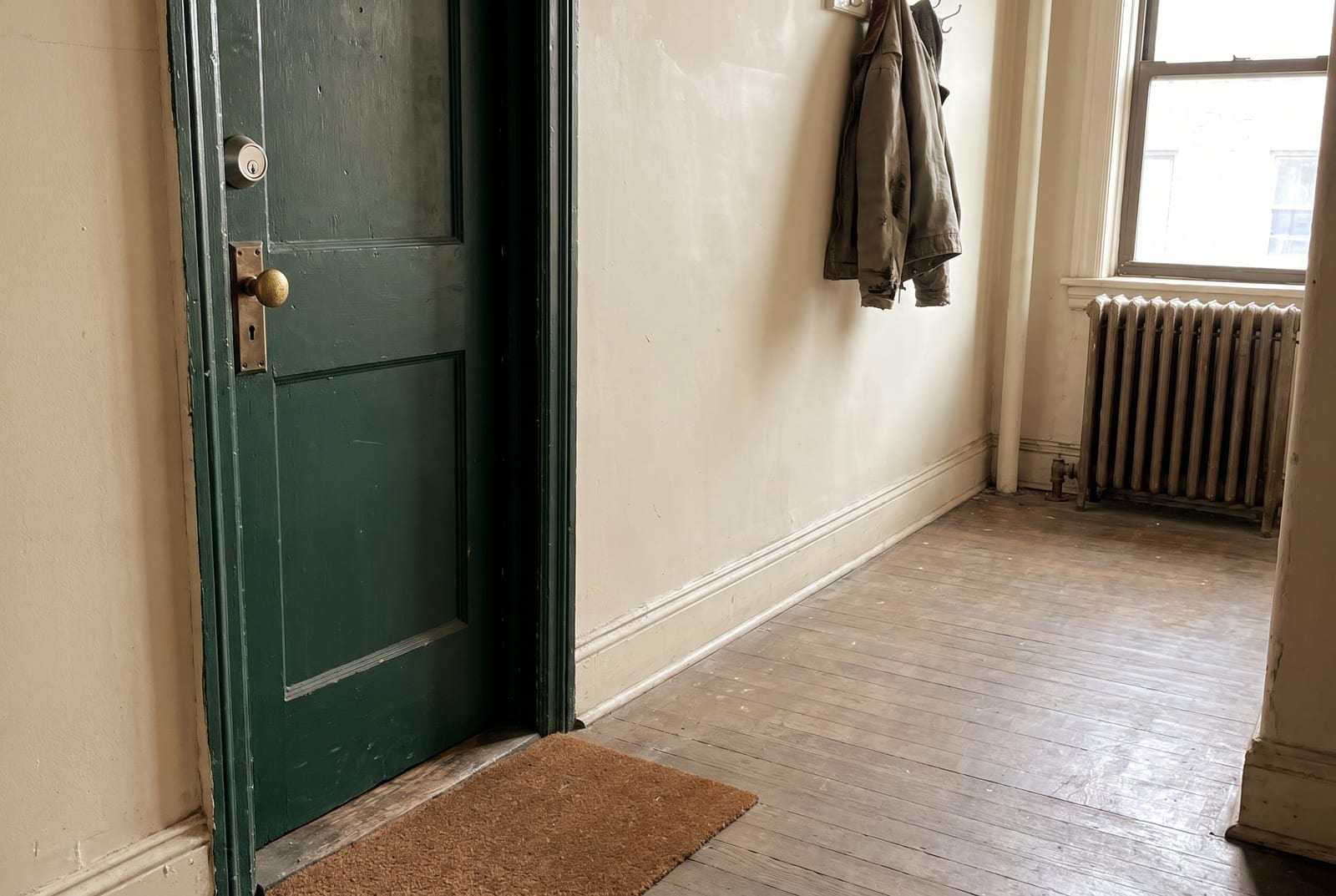
Most home lockouts come down to one of two locks. A knob or lever left locked catches its spring latch the moment the door swings shut; a deadbolt has to be thrown by a key or a thumb turn. Which one holds the door, and whether a piece of key is stuck in it, decides how the door is opened.
A call starts with a few questions about where you are and what the door is doing, and the visit follows the order set out under Our Approach.
Situations We Cover
- Lost keys. The keys are gone or locked inside, and nobody nearby has a spare. Once the door is open, the lock can be rekeyed so a lost key no longer fits.
- A broken key in the lock. Part of the key is still in the cylinder. It is drawn out along the keyway, and the pieces help when a new key is cut.
- A stuck deadbolt. The bolt will not draw back, usually because the door has shifted and the bolt binds in its strike, or because a part inside has broken.
- A lock that will not turn. The key goes in but the plug stays put: worn pins, a worn or badly cut key, grit in the keyway, or frost in an outside cylinder.
If you are outside the door now, call (612) 662-1116 and say which of these it is.
Doors and Their Locks
The door itself shapes the job. Houses usually carry a knob or lever lock with a separate deadbolt. Older brick apartment buildings around Stevens Square often have mortise locks, with the latch, the deadbolt and the cylinder in one steel case set into the door edge.
| Door type | Common lock | Notes |
|---|---|---|
| Front door | A deadbolt over a knob or lever, or a handleset with a thumb latch | A thrown deadbolt is the slow part of most lockouts. |
| Apartment door | A knob or lever with a deadbolt, or a mortise lock in older buildings | The building’s entry door is the landlord’s, and so are its keys. |
| Patio door | A hook latch worked by a lever inside, keyed outside on some | A bar or dowel in the track holds it shut even with the latch open. |
| Garage entry door | A knob or lever lockset, often with a deadbolt | Reaching it means getting into the garage first. |
Picking, Bypass and Drilling
Locksmiths work through a lockout in the order that does the least harm. A spring latch is beveled and held out by a spring, so it can sometimes be eased back through the gap at the frame, unless a deadlatch plunger, the small pin beside it, is there to stop exactly that.
Picking comes next. A tension tool turns the plug a fraction while a pick lifts each pin stack until its split sits at the shear line; with every stack set, the plug turns as it would for the key. On an ordinary pin tumbler cylinder it leaves no mark, though security pins slow it and high-security cylinders are built to resist it. Some doors open by bypass instead, with a tool that reaches the inside lever or thumb turn.
A thrown deadbolt is the harder case. Its bolt is square-ended and solid, about an inch into the frame, and it moves only when the key or the thumb turn rotates its cam. Nothing pressed against it from the door edge will shift it.
A snapped key comes out first. If it broke mid-turn, the plug is eased back upright; then a thin extractor slides in beside the broken piece, catches its cuts and draws it out. Drilling is kept for last, when a cylinder is damaged, seized or made to resist picking; it cuts through the pins at the shear line, so the cylinder or the lock is replaced afterwards.
Will opening the door damage it?
In most lockouts, no. Picking a standard cylinder, easing back a spring latch or reaching the inside handle leaves the door, the frame and the lock as they were.
Drilling ruins the cylinder, which is then replaced, though the door and frame usually come through unharmed. More damage comes from attempts made before the locksmith arrives: a pried door splits its jamb along the strike, and that has to be repaired before the door locks properly again.
Proof That You Live There
A locksmith opening a house or an apartment generally needs to see that the person asking lives there, since a lockout and a break-in look alike from the street. Papers left inside are usually checked as soon as the door is open.
What should I have with me when the locksmith gets there?
A photo ID, and if it shows an older address, one paper that ties you to this one: a lease, a utility bill or mail addressed to you there. If all of it is inside, say so on the call.
It also helps to know which lock is holding the door, the knob, the deadbolt or both, and whether anyone in the household has a key and can bring it.
I rent my apartment. Does my landlord need to agree?
To be let into your own unit, usually not: a lease or an ID with the address shows that you live there. Some buildings would rather open units with the building’s own key, and some leases ask tenants to call the manager first, so it is worth knowing what yours says.
Changing or rekeying the lock is different. Most leases require the landlord to keep a working key, so new pins or a new lock on a rented door should be agreed with the landlord first.
After the Door Opens
Opening the door does not always end the job. A lost key leaves a lock that someone else may now open, and a deadbolt that bound in its strike will bind again until the strike is moved or the door is brought back into line.
When a lost key means the locks should change, the choice between new pins and new hardware is covered in rekeying and lock changes.
Spare Keys and Worn Keys
A spare key with a neighbor, a relative or a friend nearby ends many lockouts before they start. One under the mat or on top of the door frame is the first place anyone else looks.
Keys wear as surely as locks. A key that has begun to bend, crack at the shoulder or catch in the cylinder is worth replacing before a Minneapolis winter, when cold, stiff cylinders snap worn keys.
A rekey after lost keys, a deadbolt that keeps binding or a new set of spares can be arranged through Schedule an Estimate.