
Where We Work in Minneapolis
Our work centers on Stevens Square and extends across Minneapolis, including Loring Park, Whittier, Elliot Park, Uptown, Powderhorn and downtown.
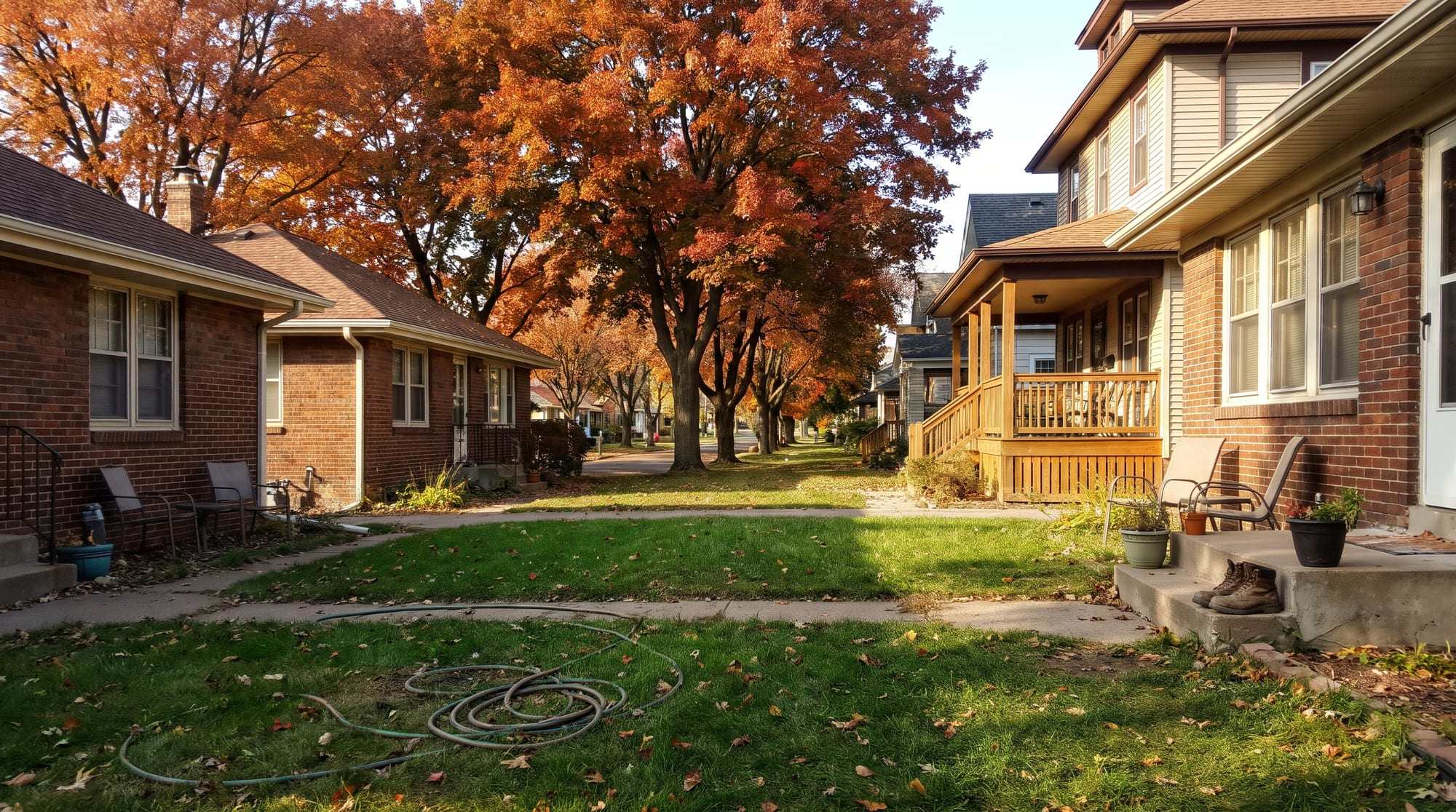
Stevens Square sits just south of downtown. The neighborhoods named alongside it are examples, not limits: an address anywhere in the city is inside the area.
The Neighborhoods and Their Doors
Stevens Square, Loring Park and Elliot Park have many older brick apartment buildings: unit doors along each hallway, usually with a knob and a deadbolt and in some buildings an old mortise lock, behind a street door the building controls.
Whittier and Uptown mix apartment buildings with older houses and the shops along their commercial streets, so one block can hold a storefront deadbolt, a porch door and an apartment entry.
Powderhorn is largely houses: front doors with a deadbolt over a knob or lever, back and side doors, and garage entry doors.
Downtown runs to offices, apartment towers and storefronts, where the hardware is commercial: exit devices, door closers, heavy levers and suites keyed to a master.
| Community | ZIP code |
|---|---|
| Stevens Square | 55404 |
| Loring Park | 55403 |
| Whittier | 55408 |
| Elliot Park | 55404 |
| Uptown | 55408 |
| Powderhorn | 55407 |
| Downtown | 55401 |
ZIP code lines and neighborhood lines rarely agree. One ZIP code can take in several neighborhoods (Stevens Square and Elliot Park both sit in 55404), and one neighborhood can spill across two.
Checking a ZIP Code
Minneapolis ZIP codes run from 55401 to 55419, plus 55454 and 55455 around the University of Minnesota. Each of them is inside the area, though near the city line a ZIP code can also take in a few streets of a neighboring suburb.
Is your ZIP code inside the area we cover?
Type a five-digit ZIP code and press the button.
Buzzer Entries and Building Doors
In an older brick building, two doors stand between the street and an apartment. The street door usually takes a key every tenant carries, often with an electric strike that the buzzer in each apartment releases, and a closer to pull it shut. Each apartment door takes a key of its own.
That split matters when locks change. Rekeying a unit after a tenant leaves usually changes the unit door and leaves the street door alone, since a new street key would mean new keys for everyone in the building. The street door is the owner’s or the manager’s to change, and a buzzer that hums without letting the door open most often points to the electric strike or its alignment rather than the lock.
Newer buildings often trade the common street key for a fob reader that the building programs itself. A lost fob is a matter for the building manager, who can switch it off and issue another, rather than for a locksmith.
For a lockout with the street door locked as well, mention it when you call (612) 662-1116.
Snow, Parking and Frozen Doors
Winter changes two practical things about a visit. After a heavy snow, the city’s plowing rules clear parking from one side of a street and then the other, and snowbanks narrow what is left, so it helps to say on the call where a van can stop: a driveway, an alley or a loading zone behind the building.
Cold also makes some doors look locked when they are not. If the key turns and the latch draws back but the door will not move, ice along the weatherstrip or the threshold is holding it, and the lock is fine. A storm door adds a second latch in front of the entry door, and in a cold snap either one can freeze. Hot water poured into a frozen lock refreezes deeper inside; a lock de-icer, or a key warmed in a gloved hand, does less harm. A car key with a chip in its head should stay away from a lighter flame, which can ruin the chip and the plastic around it.
When the lock is the trouble after all, send the address and what the door is doing through Schedule an Estimate, or call for a lockout.